Your smile is an important part of how you express yourself, but chipped, uneven, stained, or misaligned teeth can sometimes affect confidence. Smile correction treatment brings together suitable dental procedures to improve the appearance and function of your teeth while considering your facial features and oral health. If you are exploring Smile Correction Treatment Gurgaon, understanding the available options can help you make an informed decision.
At Six Sigma Dentistry, smile design is approached as a personalised process. The team describes using digital smile analysis, facial mapping, and a detailed oral evaluation to plan improvements that complement your natural smile. The right approach depends on your dental condition, goals, and the treatments recommended after an examination.
What Is Smile Correction Treatment?
Smile correction treatment refers to a customised plan designed to address concerns involving tooth alignment, shape, colour, spacing, or the appearance of the gums. It may involve one procedure or a combination of treatments. The aim is not simply to make teeth look different, but to create a result that suits the person’s facial features and supports comfortable oral function.
Depending on your needs, treatment options may include:
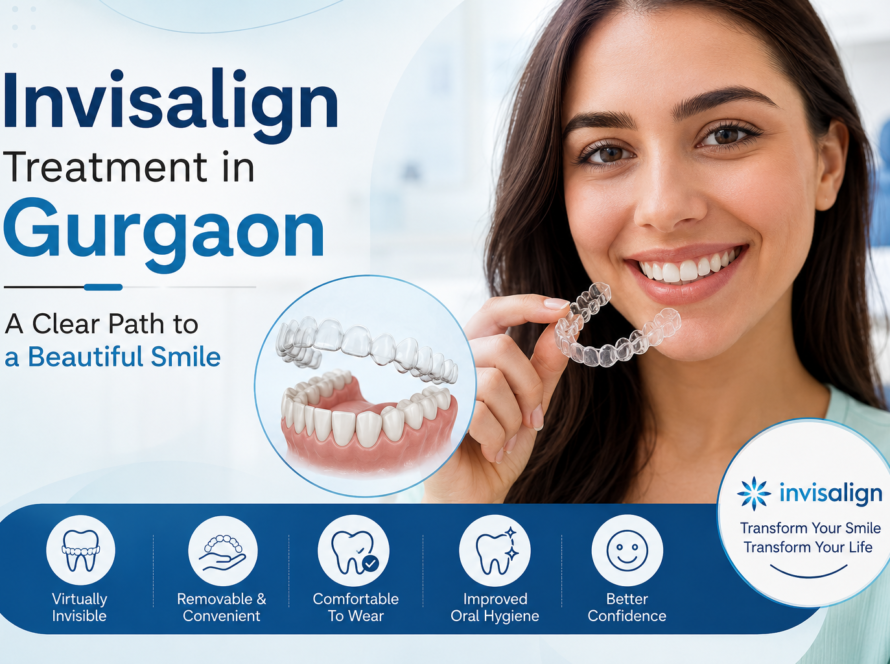
- Clear aligners or orthodontic treatment to improve tooth alignment
- Teeth whitening to reduce certain types of staining
- Dental bonding to repair small chips or reshape minor irregularities
- Veneers for selected concerns involving tooth shape or colour
- Crowns or other restorative treatment when a tooth needs structural support
- Gum-related procedures when the gum line affects smile appearance
Not everyone needs every option. A dentist should first assess your teeth, gums, bite, and existing dental work before recommending a treatment plan.
Common Smile Concerns That May Be Addressed
A consultation may help identify options for concerns such as:
- Stained or discoloured teeth
- Small gaps between teeth
- Crowded or crooked teeth
- Chipped, worn, or uneven tooth edges
- Teeth that appear short or disproportionate
- Uneven gum visibility when smiling
- Missing teeth or restorations that affect smile balance
Some concerns are mainly cosmetic, while others may relate to bite alignment, tooth wear, or gum health. Treating underlying oral health problems first can be an important part of achieving a stable result.
Why Personalised Smile Planning Matters
Every person has different facial proportions, tooth shapes, gum contours, and expectations. A personalised plan helps the dentist consider these factors together instead of applying the same approach to every patient. It also allows you to discuss what you would like to change and understand the benefits, limitations, costs, and maintenance associated with each option.
Six Sigma Dentistry describes its smile design process as explanation-first, with an emphasis on natural-looking results, comfort, and long-term oral health. Digital analysis and visual planning may help support a discussion about possible outcomes, although the final result depends on clinical findings and the selected treatment.
Benefits of Smile Correction Treatment
A Smile That Suits Your Features
Thoughtful planning considers the relationship between teeth, gums, lips, and facial proportions. The goal is to improve the smile while preserving its natural character.
Improved Tooth Alignment
When alignment is a concern, orthodontic options such as clear aligners or braces may help move teeth into more suitable positions. A dentist or orthodontist can assess which option is appropriate.
A More Even Tooth Appearance
Depending on the cause of the concern, whitening, bonding, veneers, or restorative procedures may help address certain differences in colour, shape, or tooth edges.
Attention to Oral Health and Function
A well-planned approach considers bite stability, gum health, and the condition of existing teeth and restorations, rather than focusing only on appearance.
What Happens During Smile Correction Treatment?
1. Smile and Facial Assessment
The process begins with a discussion about your goals and concerns. The dentist may review photographs, facial proportions, tooth alignment, and bite relationships to understand what you want to improve.
2. Oral Health Evaluation
Your teeth, gums, enamel, and bite are assessed. If cavities, gum disease, or other dental issues are present, these may need attention before cosmetic procedures begin.
3. Smile Preview and Treatment Planning
Digital photographs, scans, or visual simulations may be used to support treatment planning and explain potential changes. Ask your dentist what the preview can and cannot predict.
4. Choosing the Suitable Treatment
The final plan may involve aligners, whitening, bonding, veneers, or other treatments, depending on your needs. Your dentist should explain alternatives, expected timelines, costs, and any maintenance requirements.
5. Treatment and Follow-Up
Treatment is carried out in the planned stages, with follow-up appointments as required. Aftercare instructions and regular dental reviews help maintain oral health and the result.
How Long Does Smile Correction Take?
The timeline varies according to the procedures involved. Some whitening or minor bonding treatments may be completed in one or a few appointments. Clear aligners and braces generally take longer because teeth move gradually, while more comprehensive plans may involve several stages. During your consultation, ask for an estimated timeline based on your specific case.
How to Choose a Smile Correction Dentist in Gurgaon
Before selecting a clinic, consider whether the dentist:
- Performs a detailed dental and gum examination before recommending treatment
- Explains the available options, benefits, limitations, and risks
- Discusses how the plan may affect your bite and long-term oral health
- Uses suitable diagnostic tools and explains any digital smile preview
- Provides clear information about costs, timelines, and maintenance
- Offers follow-up care after the treatment is completed
At Six Sigma Dentistry, patients can explore smile design options through a consultation and discuss a plan tailored to their concerns. A professional assessment is the best starting point for deciding which procedures, if any, are suitable.
Frequently Asked Questions
What is smile correction treatment?
It is a personalised approach to improving aspects of the smile, such as tooth alignment, colour, shape, spacing, or gum appearance. The treatment may involve one procedure or a combination of dental options.
Is smile correction treatment suitable for everyone?
Suitability depends on your oral health, dental condition, and goals. A dentist should assess your teeth, gums, and bite before recommending treatment.
How long does smile correction treatment take?
The duration depends on the procedures involved. Some cosmetic treatments may take one or a few visits, while orthodontic treatment or a more comprehensive smile plan can take several months or longer.
Will my smile look natural after treatment?
Treatment planning can aim for a result that complements your facial features and natural teeth. Discuss your preferences and review the proposed plan with your dentist before proceeding.
Does smile correction treatment hurt?
Comfort varies by procedure. Some treatments require little or no recovery, while others may cause temporary sensitivity or soreness. Your dentist can explain what to expect for your specific plan.
What is the difference between smile design and smile correction?
The terms are often used in related ways. Smile design generally refers to assessing and planning the desired appearance, while smile correction describes the treatments used to address the identified concerns.
Conclusion
Smile Correction Treatment Gurgaon can involve different dental options depending on your tooth alignment, colour, shape, gum appearance, and oral health. The most suitable plan begins with a careful assessment and a clear discussion of your goals, treatment choices, expected timeline, and aftercare. Six Sigma Dentistry offers a personalised smile design approach that considers facial features, dental function, and long-term oral health. Book a consultation to discuss your concerns and understand which options may be appropriate for your smile.